Family & Parenting
Respite Options for Carers of Children with Special Needs

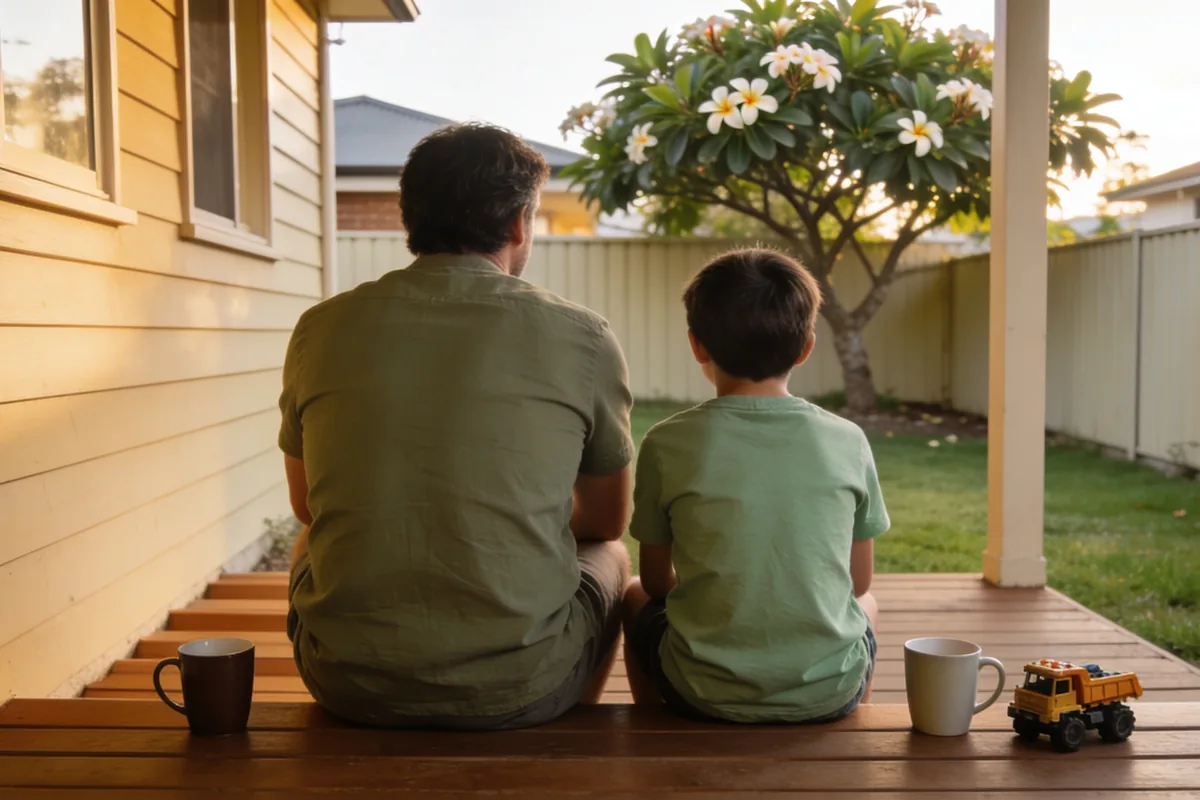
Wanting a break from caring is ordinary, and it says nothing about how well you’re coping. A break is part of caring well, not a step away from it.
If you’ve been putting the question off because it feels big, you might find it helps to know that the first move is small. It’s one phone call. Everything else in this article can wait until after you’ve made it.
The one step: ring Carer Gateway
Carer Gateway’s number is 1800 422 737. The Carer Gateway page on planned and emergency respite lists the contact line as open Monday to Friday, 8am to 5pm, and says to call at any time if you need emergency respite. Hours can change, so check the page when you’re ready to ring.
There are two kinds of respite to know about, and you don’t have to decide between them today.
- Planned respite is for when you aren’t sick or injured but need a break. As part of a tailored support package, it may be free.
- Emergency respite is for when the carer becomes sick or injured, where it’s available.
It’s also a good idea to make an emergency care plan, which is a short note of who looks after your child, what they need and who to contact if you suddenly can’t. It’s okay to do that in small pieces over a few weeks.
If your child is on the NDIS
If your child has an NDIS plan, there’s a second route. Short term accommodation, which the NDIA now calls short term respite (NDIS news, 20 October 2025), gives a participant time apart from their usual care arrangements while the family takes a short break. It has to be in your child’s plan, so the person to ask is your child’s planner or support coordinator.
The NDIS website carries a banner saying its content is being updated for new NDIS legislation. That’s worth knowing, because the wording and the rules can change. The rename above is stated as at 20 October 2025, so please confirm the current position on the NDIS website, or with your planner, before you rely on it.
The kinds of respite, in four lines
The main respite options take a few forms, and one may suit your family better than the others:
- in-home support, where someone comes to your house
- centre-based care, where your child spends time at a service
- short stays away from home
- community activities, where your child joins an outing or group
No one form is the right one. It depends on your child, your family and what you need the break for.
Questions to ask any provider about your child
Whether the respite comes through Carer Gateway, the NDIS or a service you’ve found yourself, it’s fair to ask the provider a few things. You might find it helps to keep them in a note on your phone:
- Who will be with my child, and what experience do they have with my child’s needs?
- How will they handle my child’s routines, communication and medication?
- Can we start with a short trial before committing to more?
- Who do I call if something goes wrong while I’m away?
Asking doesn’t make you difficult, and the answers will help you decide whether the arrangement feels right.
Getting your child ready
A little preparation can help the first visit go more smoothly. It’s okay if you only manage some of this.
- Share your child’s routines, likes and dislikes, and emergency contacts with whoever will be caring for them.
- Pack familiar items, such as a favourite toy or blanket.
- Talk through the visit beforehand, in whatever way your child understands best.
- Afterwards, take a moment to review how it went, and tell the provider what worked and what didn’t.
If the first attempt feels bumpy, that doesn’t mean respite won’t work for your family. It’s fine to say so to the provider and ask to adjust things.
Breaks that fit your week
Think about when the break would help you most. Respite is time for the carer, so evenings or weekends, rather than school hours, often give a real rest. Some families, though, want respite during school hours so they can get to appointments, and a provider can usually arrange that too. Neither choice is wrong.
A small first step
One call this week is plenty. Write down the number, 1800 422 737, and the hours, and ring when you have ten quiet minutes. If your child is on the NDIS, you could also mention short term respite to your planner at your next conversation.
The rest can wait.
Sources: Carer Gateway, “Planned and emergency respite” (https://www.carergateway.gov.au/help-and-support/caring-me/available-support-carers/planned-emergency-respite); NDIS, “Short term accommodation is now called short term respite”, 20 October 2025 (https://www.ndis.gov.au/news/10967-short-term-accommodation-now-called-short-term-respite)

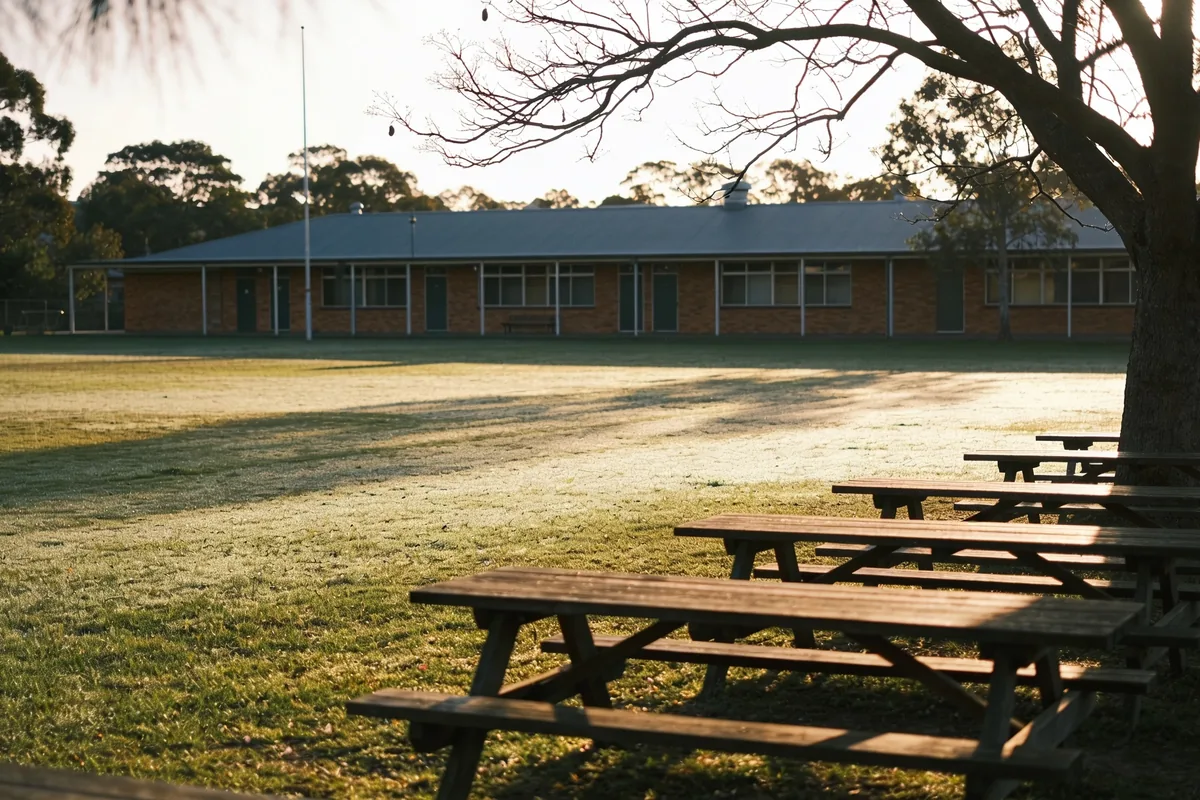
A note about head lice coming home from school is a very ordinary thing, and it says nothing about your child’s hair or your home. NSW Health states plainly that an infestation “is not the result of dirty hair or poor hygiene”, and that’s worth holding on to if the note arrived with a bit of a jolt.
You might find that one small step is enough for tonight. Sit your child somewhere with good light, put some white conditioner through dry hair, and comb it through slowly to see what’s there. It’s okay if you can’t tell what you’re looking at on the first go, or if you’d rather do it in the morning. And it’s okay if the bigger question, whether your child has to stay home, can wait until you’ve had a look at your own state’s guidance and your school’s note. This article is general information, not medical advice, and it covers what the government pages say so you can do exactly that.
Why Victoria, NSW and Queensland say different things
Three government pages give three slightly different lines. None of them describes different lice. They describe different school policies.
| State | What the government says about school | Source and date |
|---|---|---|
| Victoria | Head lice are on the school exclusion table in the Public Health and Wellbeing Regulations 2019, which cover primary schools and children’s services, even though lice do not spread disease. The Department of Health reads the criteria as: at the end of the school day the child is given a note to take home, and “Children may return to school after treatment has commenced”. No GP or council clearance certificate is required. | Victorian Department of Health, Head lice, updated 31 March 2025 |
| NSW | “Current advice from NSW Health states that children who have head lice should still be sent to school”. The school contacts parents when an infestation occurs and asks them to treat the child at home. | NSW Department of Education, Head lice, last updated 15 June 2026 |
| Queensland | State schools should “ensure students suspected of having head lice or eggs present in their hair are not excluded from class or school”. If notified by the school, a parent may choose to remove their child to give immediate treatment. | Queensland Department of Education, Head lice, last updated 22 January 2026 |
Notice that Victoria’s rule and the other two aren’t as far apart in practice as they first look. Victoria sends a note home at the end of the day and lets the child come back once treatment has started, which means a child isn’t kept out for days. NSW and Queensland keep children in class, and Queensland leaves room for a parent who wants to start treatment straight away.
The difference sits in school policy, and not in lice biology. In Victoria the rule comes from regulations that cover primary schools and children’s services, and the Department of Health explains how it reads them. In NSW and Queensland the education departments set out their own approach for their own schools. The Queensland line applies to state schools, and other states and territories have their own pages that this article doesn’t cover.
If your school’s note says something a little different from what you’ve read here, it’s okay. The pages above are the state-level guidance, and the school applies it in its own way. The simplest course is to read the page for your own state, and to ask the school which guidance it’s following. You don’t need to decide whether the school is right. You only need to know what it’s asking you to do.
What the health bodies agree on
Two different rules can feel like two different sets of facts, but they aren’t. Set the school question aside and the health pages say much the same thing.
Head lice don’t carry disease. The Better Health Channel says they do not generally carry or transmit disease, and the Victorian Department of Health says they transmit no infectious disease and are not notifiable.
They spread by head-to-head contact. They can’t fly or jump, and only crawl, which is why contact matters. NSW Health adds that an infestation is not a hygiene problem, and that lice are rarely spread through clothing, hats, furniture or bedding.
They’re also common in primary school. NSW Health’s frequently asked questions page, current as at 5 August 2025, reports that sampling in its Nitbuster program found more than 23 per cent of primary school aged children in NSW had head lice.
That figure is worth keeping in mind if you’re feeling singled out. A note home is part of ordinary school life, and not a sign that your family did something wrong. It’s a NSW number, so it shows how common lice are there and says nothing about any other state.
The health pages also agree on what to do at home, which is where the next two sections go. If the school question can’t be settled tonight, the home question still can.
Checking with a comb and conditioner
The checking method is the same on every page. White conditioner goes on dry hair, and a fine comb goes through it. The Victorian Department of Health notes that checking dry hair alone is of little benefit, so the conditioner is doing real work, and it’s worth not skipping.
You might find it helps to know what you’re looking for. Better Health Channel says eggs sit within about 1.5 centimetres of the scalp. The word “nits” gets used loosely, and in NSW Health’s wording it means the empty eggshells left on the hair. Shells aren’t the same as live lice, and it’s the live lice that tell you to treat. The Victorian Department of Health advises treating when live lice are found.
A few things might ease the pressure:
- If you find nothing on the first go, it’s okay to try again another day.
- Better Health Channel suggests tying long hair back and checking weekly, which spreads the job out so it’s never a big one.
- You don’t need to check the whole house. The sources describe lice as spreading by head-to-head contact, with clothing and bedding rarely involved.
Schools, too, are asked to keep it modest. The Victorian Department of Health says schools don’t need to run inspection programs. A visual check with no physical contact needs no parental consent, and a physical examination needs written consent. Queensland’s Department of Education says visual checks only, with no physical contact, authorised by the principal. NSW’s Department of Education mentions Nitbusters days, run by parent volunteers using a fine comb and white conditioner. So if a school asks to check, the rules differ by state, and you’re welcome to ask what they’ve planned.
Treating it, and the seven-day repeat
If you do find live lice, the pages describe two options. One is conditioner and comb. The other is an insecticide product. This article doesn’t name any product and gives no doses, because the label and a pharmacist are the right place for that.
Two timings are worth knowing.
If you use an insecticide, you apply it twice. The Victorian Department of Health and the Better Health Channel both say two applications, 7 days apart. The reason, per the Victorian Department of Health, is that no treatment kills all the eggs, so a second application follows. If the timing slips, it’s okay, and a pharmacist can talk it through with you.
If you use conditioner and comb alone, you comb every second day. Better Health Channel says to keep going until no live lice have been found for 10 days. That’s a long stretch, and it’s okay if it feels like a slog. It’s still one of the two options the page gives.
There’s a useful check built into the insecticide route. The Victorian Department of Health says that if the insecticide has worked, the lice are dead within 20 minutes. If they aren’t, “the treatment has not worked and the lice may be resistant”. That’s not a failure on your part. It’s information, and it’s a reason to talk to a pharmacist or doctor about the next step.
Two cautions come from NSW Health. Insecticides and other substances can have more serious health effects than the lice themselves, and swapping between treatments, or combining them, can cause irritation. So if you’re thinking of changing products partway through, it’s worth asking a pharmacist first. If a treatment keeps failing, Better Health Channel says to see a doctor, who can refer to a dermatologist.
Treating “just in case” does not help
When a note comes home, it’s natural to want to do something to the whole family, just to be safe. That feels sensible in the moment, but the sources say it doesn’t help.
Better Health Channel states that there is no product available that prevents head lice. That covers products used before anyone has found a single louse. And because NSW Health warns that insecticides can have more serious health effects than the lice, and that swapping or combining treatments can cause irritation, extra treatment carries its own small costs.
What does help is much quieter. Tying long hair back is one of the things Better Health Channel suggests, and a weekly check is another. A check that’s done regularly tends to catch a problem when it’s small. Neither takes long, and neither is a signal that anything has gone wrong.
If you’ve already treated “just in case” once or twice, please don’t feel bad about it. Most parents have. It’s just that the next step is a gentle one: stop, check, and treat only if you find live lice.
What parents and teachers say, and where it fits
Views on this tend to fall into three groups, and each has something in it.
- A child with head lice should go home. Teachers in particular are often the ones who deal with a spreading problem in a classroom, and many would like to see a same-day response. That’s a fair concern, and wanting treatment done quickly is reasonable.
- A child should stay in class. A common argument is that keeping a child out can stigmatise them and costs them learning, particularly since lice don’t spread disease. That’s the position that NSW and Queensland take for their schools.
- Treat the same day, then return. This middle path asks for treatment straight away and doesn’t ask for days off.
Victoria’s reading of its own rule fits the third group closely. A note goes home at the end of the day, and the child may return once treatment has commenced. In practice, that delivers the quick response that the first group wants, and it avoids the long absence that the second group worries about.
A common complaint is that some parents don’t tell the school, which leaves teachers carrying the load. If you’ve had a note, telling the school you’ve found and treated lice is a small thing that helps every other family in the class. It’s not an admission of anything. It’s the same ordinary courtesy as telling the school your child has a cold.
One Step for Tonight
If you can only do one thing, you might find it’s enough to put white conditioner through dry hair and comb it slowly in good light. If you find live lice, the health pages cover what comes next. If you find nothing, it’s okay to stop there and check again next week. The rest, including the school question, can wait until morning.
Sources: Victorian Department of Health, Head lice, updated 31 March 2025 (https://www.health.vic.gov.au/infectious-diseases/head-lice); Better Health Channel, Head lice (nits), reviewed 13 October 2023 (https://www.betterhealth.vic.gov.au/health/conditionsandtreatments/head-lice-nits); NSW Department of Education, Head lice, last updated 15 June 2026 (https://education.nsw.gov.au/schooling/parents-and-carers/health-and-physical-care/head-lice.html); NSW Health, Head lice frequently asked questions, current as at 5 August 2025 (https://www.health.nsw.gov.au/environment/headlice/Pages/default.aspx); Queensland Department of Education, Head lice, last updated 22 January 2026 (https://education.qld.gov.au/students/student-health-safety-wellbeing/student-health/head-lice)

NDIS Worker Orientation Module: What to Do While the Online Course Is Offline

Exercise Prescription: How the FITT Principle Builds a Personal Plan

The Spam Act: An Unsubscribe Link Cannot Fix a Message Sent Without Consent
NDIS Worker Orientation Module: What to Do While the Online Course Is Offline

Gutter Overflowing in the Rain? Where to Look First

Engine Coolant Myths: What Water, the Gauge and the Calendar Get Wrong
-
 Healthcare2 days ago
NDIS Worker Orientation Module: What to Do While the Online Course Is Offline
-
 Home & Garden12 months ago
Gutter Overflowing in the Rain? Where to Look First
-
 Automotive12 months ago
Engine Coolant Myths: What Water, the Gauge and the Calendar Get Wrong
-
 Healthcare9 months ago
Stiff Joints in the Morning: What Is Normal and When to See a GP
-
 Home & Garden11 months ago
Galvanised Pipes at Home: Is It Lead You Should Worry About, or Rust?
-
 Healthcare3 days ago
Exercise Prescription: How the FITT Principle Builds a Personal Plan
-
 Home & Garden10 months ago
Cut Your Hot Water Bill: Four Fixes and One to Skip
-
 Home & Garden10 months ago
Why Does the Hot Water Run Out Faster in Winter?