
Listing
The Science Behind Exercise Prescription: Why Personalised Movement Matters


Exercise isn’t “one size fits all.” While general fitness routines can help improve strength and wellbeing, they don’t always consider individual health conditions, physical limitations, goals or lifestyle. That’s where exercise prescription comes in — a science-backed approach designed to tailor movement to the person, not the other way around.
An Exercise Physiologist is specifically trained to assess the body, understand medical history, and develop exercise plans that are safe, effective and sustainable. For individuals seeking targeted rehabilitation or health improvement, working with an Exercise Physiologist in Carlingford can make a measurable difference in outcomes.
What Is Exercise Prescription?
Exercise prescription is the process of designing a structured program that outlines:
- What exercises should be performed
- How often they should be completed
- The intensity and progression rate
- The technique and duration required
Unlike generic workout programs, clinical exercise prescription is grounded in medical science, biomechanics, and evidence-based research.
Why Personalised Movement Matters
Every body is unique — and so are its needs. Personalised exercise acknowledges:
- Age differences
- Previous injuries
- Existing medical conditions
- Fitness experience and confidence levels
- Pain tolerance and mental readiness
A tailored approach helps prevent injury, reduce setbacks and improve long-term commitment.
For example, someone managing chronic back pain requires a very different plan from an athlete recovering from a knee injury, or an older adult working on balance and mobility.
The Role of an Exercise Physiologist in Exercise Prescription
An Exercise Physiologist doesn’t just write a program; they assess, educate and support behaviour change.
Their role includes:
- Reviewing medical conditions and history
- Assessing functional movement and physical capacity
- Creating a structured plan based on goals
- Supervising safe exercise progression
- Tracking results and adjusting the program as the body adapts
Clients benefit from a science-led approach rather than trial-and-error exercise routines that may cause more harm than good.
The Exercise Prescription Framework: FITT and Beyond
Most prescription frameworks are based on the FITT Principle:
| Factor | Meaning | Purpose |
|---|---|---|
| F – Frequency | How often exercise occurs | Builds routine and consistency |
| I – Intensity | Level of effort | Prevents overload and ensures safe progress |
| T – Time | Duration of exercise | Ensures effective and manageable sessions |
| T – Type | Kind of exercise | Tailored to condition and goals |
Additional factors such as recovery time, load management and psychological readiness are also considered — especially for those recovering from injury or managing chronic disease.
Who Can Benefit from Personalised Exercise?
Exercise prescription is suitable for almost anyone, but especially for individuals with:
- Chronic illness (heart disease, diabetes, arthritis)
- Injuries or post-surgical recovery
- Neurological conditions
- Obesity or metabolic conditions
- Mental health needs (stress, depression, anxiety)
- Limited mobility, balance challenges or ageing-related concerns
Working with an Exercise Physiologist in Carlingford ensures safety and confidence during every step of the journey.
Why Generic Fitness Plans Can Fall Short
Online workouts and generic gym programs may help improve general fitness, but they lack:
- Medical understanding
- Movement screening
- Consideration of pre-existing injuries
- Progression tailored to ability
Without guidance, people often experience:
- Injury
- Pain flare-ups
- Burnout
- Lack of progress
- Loss of motivation
A personalised program reduces these risks and aligns exercise with health goals.
Final Thoughts
Personalised exercise prescription is more than a workout — it’s a medically informed strategy for improving physical ability, wellbeing and long-term health. With a focus on precision and safety, an Exercise Physiologist ensures that movement becomes meaningful, effective and sustainable.
If you’re looking to improve mobility, manage a health condition or rebuild strength with confidence, connecting with an Exercise Physiologist in Carlingford could be the ideal next step.
Also Read This: Role of the NDIS Worker Orientation Module in Disability Support Compliance
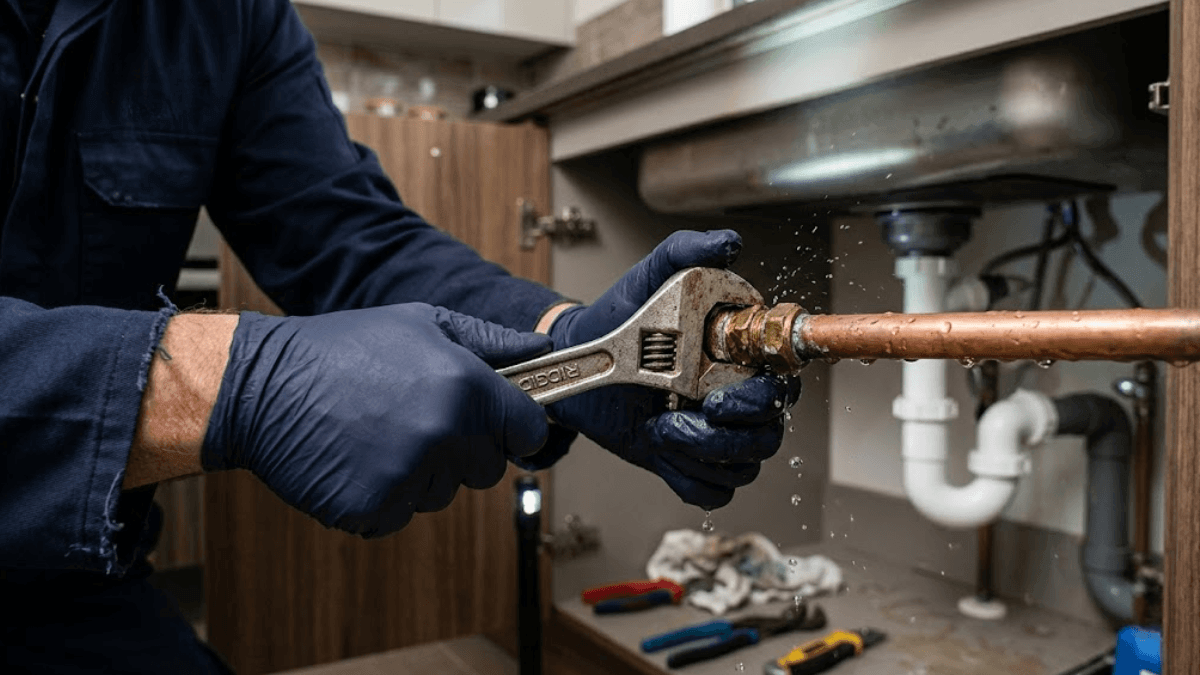
Why Plumbing Issues Should Never Be Ignored
Plumbing problems can start small but quickly turn into costly repairs if left untreated. A dripping tap, slow drain, or minor leak might not seem urgent, but these issues often point to deeper problems within the system. Over time, they can cause water damage, increase utility bills, and disrupt daily life.
Ignoring plumbing issues also increases the risk of sudden breakdowns. Burst pipes, blocked drains, or faulty hot water systems can happen without warning. Acting early helps prevent bigger complications and keeps the home running smoothly without unnecessary stress.
The Importance of Hiring a Plumber in Blacktown
When problems arise, finding a reliable plumber in Blacktown becomes essential. A skilled professional can quickly identify the cause of the issue and provide the right solution, saving time and avoiding guesswork. This ensures that the problem is fixed the first time properly.
A plumber in Blacktown also brings experience and the right tools to handle a range of situations. From simple repairs to more complex issues, professional support helps maintain the safety and efficiency of the plumbing system.
Common Plumbing Problems in Homes
Most households experience similar plumbing issues at some point. Understanding these common problems can help identify when professional assistance is needed.
Typical plumbing issues include the following:
- Leaking taps and pipes
- Blocked drains in kitchens or bathrooms
- Low water pressure
- Running toilets
- Faulty hot water systems
Recognising these signs early allows homeowners to act quickly. Timely action helps avoid further damage and keeps repair costs under control.
How a Plumber Blacktown Handles Repairs
A plumber in Blacktown follows a structured approach to identify and fix problems effectively. The process usually begins with a thorough inspection to locate the source of the issue. This step is important because surface-level symptoms may not always reveal the real cause.
Once the problem is identified, the plumber uses the appropriate tools and techniques to complete the repair. This may include clearing blockages, replacing damaged parts, or repairing leaks. A plumber in Blacktown ensures that the solution is long-lasting and meets safety standards.
Benefits of Professional Plumbing Services
Hiring a professional plumber offers several advantages compared to attempting repairs without proper knowledge. It ensures that work is completed safely and efficiently, reducing the risk of further issues.
Key benefits include the following:
- Accurate diagnosis of plumbing problems
- Use of proper tools and techniques
- Long-term solutions rather than temporary fixes
- Reduced risk of damage to property
- Time-saving and less stress
These benefits highlight the importance of relying on professional services when dealing with plumbing concerns.
Choosing the Right Plumber Blacktown
Selecting the right plumber in Blacktown is important for ensuring quality work and reliable service. Not all plumbers offer the same level of expertise, so it is important to consider certain factors before making a decision.
Things to look for include:
- Experience in handling similar plumbing issues
- Clear communication and transparent pricing
- Proper licensing and qualifications
- Positive customer feedback or reviews
- Availability for emergencies
A dependable plumber in Blacktown provides not only repairs but also peace of mind, knowing that the job is done correctly.
Preventing Plumbing Problems Before They Start
Prevention plays a key role in maintaining a healthy plumbing system. Simple habits and regular maintenance can reduce the chances of major issues developing over time.
Helpful prevention tips include:
- Avoid pouring grease or food waste down the sink
- Regularly check for leaks or unusual sounds
- Clean drains to prevent blockages
- Monitor water pressure levels
- Schedule routine inspections if needed
Taking these steps can extend the life of plumbing systems and reduce the need for frequent repairs.
Staying Prepared for Unexpected Plumbing Issues
Even with proper care, plumbing problems can still occur. Being prepared helps manage these situations more effectively and reduces stress when issues arise.
Simple ways to stay prepared include:
- Knowing where the main water shut-off valve is located
- Keeping the contact details of a trusted plumber handy
- Acting quickly when early signs of problems appear
- Avoiding temporary fixes that may worsen the issue
With the right preparation and support from a reliable professional, plumbing problems can be handled quickly and efficiently, ensuring minimal disruption to daily life.


In today’s fast-paced world, building efficiency, safety, and reliability are more important than ever. Whether managing residential apartments, commercial buildings, or industrial facilities, elevator performance plays a crucial role in daily operations. This is where SMIRC delivers a powerful and intelligent solution.
What is SMIRC?
SMIRC (Smart Monitoring Incorporating Relay Control) is an advanced elevator monitoring and control system designed to provide real-time access, diagnostics, and remote functionality. It enables building managers and technicians to monitor elevator systems from anywhere, ensuring faster response times and improved operational efficiency.
This innovative technology connects elevator systems to the internet, allowing authorised users to monitor performance, detect faults, and even reset systems remotely using a computer or smartphone.
Key Features of SMIRC
SMIRC stands out due to its comprehensive and practical features that simplify elevator management:
- Remote Monitoring: Access elevator status in real time, including door operations, position, and safety systems
- Remote Reset Functionality: Quickly resolve faults without requiring on-site visits
- Improved Safety: Reduce passenger entrapment time and respond to issues faster
- Cost Efficiency: Lower maintenance and call-out costs by addressing issues remotely
- Compatibility: Works with both older relay-based systems and modern controllers
Why Choose SMIRC?
Traditional elevator maintenance often relies on reactive approaches—waiting until something goes wrong before taking action. SMIRC changes this by offering a proactive system that identifies and addresses issues early.
By continuously monitoring elevator performance, SMIRC helps:
- Minimise downtime
- Improve user safety
- Increase equipment lifespan
- Enhance overall building efficiency
Additionally, with features like live system monitoring and remote diagnostics, building owners gain peace of mind knowing their systems are under constant supervision.
Ideal Applications
SMIRC is suitable for a wide range of environments, including:
- Residential apartment complexes
- Commercial office buildings
- Hospitals and healthcare facilities
- Shopping centres
- Industrial sites
Its flexibility and scalability make it an excellent choice for both small and large operations.
The Future of Elevator Management
As buildings become smarter, integrated systems like SMIRC are leading the way in transforming how facilities are managed. With real-time data, remote accessibility, and intelligent control, SMIRC is not just a tool—it’s a complete solution for modern elevator management.
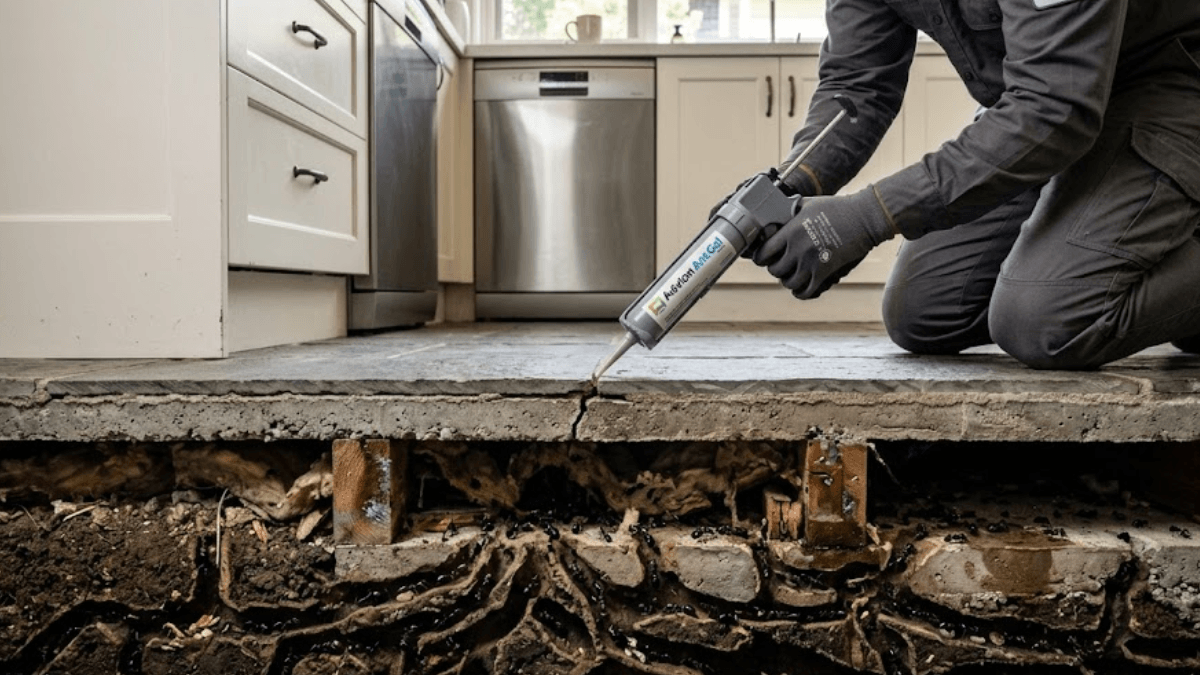
Understanding the Real Problem Behind Ant Infestations
Ant infestations may seem like a minor issue at first, but they often point to a larger underlying problem. Ants do not just appear randomly; they are usually searching for food, water, or shelter. Once they find a reliable source, they leave scent trails that attract more ants, quickly turning a small problem into a larger infestation.
What makes ants difficult to control is their organised behaviour. They live in colonies, often hidden behind walls, under floors, or outside in gardens. Simply removing visible ants does not solve the issue, as the main colony continues to grow. This is why surface-level solutions rarely provide long-term results.
Why Professional Ant Pest Control Melbourne Matters
Handling an infestation properly requires more than basic sprays or home remedies. This is where ant pest control in Melbourne becomes important. Professional services focus on identifying the source of the problem rather than just treating the symptoms.
Experts in ant pest control Melbourne understand different ant species and their behaviour patterns. They use targeted treatments that reach the colony, ensuring that the infestation is controlled at its root. This approach is more effective and helps prevent the problem from returning.
Common Causes of Ant Infestations in Homes
Ants are attracted to environments that provide easy access to food and moisture. Even small crumbs or spills can draw them inside, especially during warmer months when activity increases.
Some of the most common causes include:
- Food left uncovered or not stored properly
- Moisture from leaking pipes or damp areas
- Cracks and gaps in walls or flooring
- Outdoor nests close to the property
- Poor waste management or open bins
Understanding these causes helps in reducing the risk of infestations. Prevention is often just as important as treatment when it comes to managing ants effectively.
How Ant Pest Control Melbourne Works
The process of ant pest control in Melbourne involves a detailed inspection followed by targeted treatment. Instead of relying on quick fixes, professionals assess the extent of the infestation and identify where the ants are coming from.
Typical steps in the process include:
- Inspecting the property to locate entry points and nests
- Identifying the type of ant species
- Applying safe and effective treatments
- Using bait systems to eliminate entire colonies
- Providing advice to prevent future infestations
This method ensures that the problem is handled thoroughly, reducing the chances of ants returning after treatment.
The Limitations of DIY Solutions
Many people try to manage ant infestations using store-bought products or home remedies. While these methods may provide temporary relief, they often fail to address the root cause of the problem.
Common limitations of DIY solutions include:
- Only targeting visible ants, not the colony
- Short-term results with repeated infestations
- Incorrect use of chemicals leads to limited effectiveness
- Lack of understanding of ant behaviour
Without proper knowledge and tools, it becomes difficult to achieve lasting results. This is why professional treatment is often a more reliable option.
Benefits of Choosing Ant Pest Control Melbourne Services
Professional ant pest control in Melbourne offers several advantages compared to basic treatments. It focuses on long-term solutions rather than temporary fixes, making it a practical choice for homeowners dealing with recurring issues.
Key benefits include the following:
- Effective elimination of entire ant colonies
- Safe use of treatments for homes and families
- Reduced risk of future infestations
- Expert advice on maintaining a pest-free environment
- Time-saving and more reliable results
These benefits make professional services a valuable investment, especially for persistent or large-scale infestations.
Preventing Ant Infestations Before They Start
Prevention plays a key role in keeping homes free from ants. Simple changes in daily habits and maintenance can reduce the chances of attracting ants in the first place.
Helpful prevention tips include:
- Keeping kitchen areas clean and free of crumbs
- Sealing cracks and entry points around the home
- Fixing leaks and reducing moisture levels
- Storing food in airtight containers
- Regularly disposing of waste and keeping bins closed
By maintaining a clean and well-sealed environment, it becomes harder for ants to find a reason to enter the home.
A Smarter Approach to Long-Term Control
Managing ant infestations requires a combination of proper treatment and ongoing prevention. Ant pest control Melbourne focuses on addressing both aspects, ensuring that the issue is not only solved but also kept under control in the future.
Taking a smarter approach means understanding how ants behave, identifying the source of the problem, and using effective methods to eliminate it. With the right strategy, it becomes possible to maintain a comfortable, pest-free living space without constant worry about recurring infestations.

Why More Airport Travellers Are Booking Darley Cabs Instead of Driving Themselves

How to Choose Durable and Stylish Cabinet Hardware for Any Space

How Short-Term Support Through NDIS Respite Care Sydney Changes Lives

Role of the NDIS Worker Orientation Module in Disability Support Compliance

How Demand for Occupational Therapists Is Rising Across Australia

Fix Gutter Leaks Before They Flood Your Yard
-
 Listing10 months ago
Role of the NDIS Worker Orientation Module in Disability Support Compliance
-
 Listing10 months ago
How Demand for Occupational Therapists Is Rising Across Australia
-
 Listing10 months ago
Fix Gutter Leaks Before They Flood Your Yard
-

 Listing10 months ago
Car Cooling Systems Explained: Busted Myths and Essential Facts
-

 Listing10 months ago
Smart Toys to Train Your Dog Smarter
-
 Listing10 months ago
How Surveying Supports Safe and Compliant Infrastructure Development
-

 Listing10 months ago
How Long Does Car Finance Approval Take? Broker Breakdown
-
 Melbourne9 months ago
Old Galvanised Pipes in Your Werribee Home? 7 Warning Signs It’s Time to Repipe