
Listing
How Demand for Occupational Therapists Is Rising Across Australia


Occupational therapy has become one of Australia’s fastest-growing allied health professions. With expanding healthcare needs, an ageing population and ongoing demand for disability and rehabilitation services, Occupational Therapists are now essential across hospitals, community care, aged care, schools, private clinics and the NDIS sector.
In regions such as Queensland, demand is even more pronounced, with Occupational Therapists in Gold Coast experiencing a surge in job opportunities as local health services expand to meet community needs. But what is behind this national rise in demand, and why has occupational therapy become so critical to Australia’s healthcare system?
1. Growing NDIS Participation Is Driving Demand
Since the introduction of the National Disability Insurance Scheme (NDIS), more Australians are accessing therapy support than ever before. Occupational Therapists play a vital role in:
- Functional capacity assessments
- Home modifications
- Assistive technology recommendations
- Daily living skills training
- Sensory and developmental support
The NDIS continues to grow year after year, increasing demand for skilled OTs in both metro and regional areas.
2. Australia’s Ageing Population Needs More Support
Australia’s population is rapidly ageing, and with it comes an increased need for rehabilitation, mobility assistance, home safety assessments and chronic condition support. Occupational Therapists are essential in helping older adults:
- Maintain independence at home
- Improve mobility and strength
- Manage dementia and cognitive decline
- Prevent injuries and falls
Aged care facilities, home-care providers and hospitals are consistently expanding their OT teams to meet this rising need.
3. Increased Focus on Mental Health and Wellbeing
Mental health services across Australia rely heavily on Occupational Therapists to support individuals with:
- Anxiety and depression
- Trauma recovery
- Psychosocial disabilities
- Behavioural challenges
- Community reintegration
With growing awareness and reduced stigma around mental health, demand for OTs in community mental health programs has significantly increased.
4. Expanding Paediatric Therapy Services
More families are seeking early intervention support for developmental, behavioural and sensory needs. This has led to a growing demand for paediatric OTs in:
- Schools
- Early childhood centres
- Private clinics
- NDIS children’s programs
Paediatric services across regions such as the Gold Coast are rapidly expanding to meet the needs of young families.
5. Increased Need for Workplace Rehabilitation and Return-to-Work Programs
Occupational Therapists play a leading role in workplace rehabilitation, supporting individuals recovering from:
- Work injuries
- Musculoskeletal conditions
- Post-surgical recovery
- Chronic pain
- Fatigue and ergonomic issues
WorkCover providers, employers and insurers rely heavily on OTs to ensure safe and sustainable return-to-work outcomes.
6. Regional Areas Experiencing Workforce Shortages
While demand is high nationwide, regional communities experience even greater shortages of qualified Occupational Therapists. Locations such as:
- Gold Coast
- Sunshine Coast
- Northern NSW
- Regional Victoria
- Western Australia’s regional towns
often have waiting lists due to limited workforce availability. This shortage significantly increases job opportunities and service demand.
7. Growing Role in Assistive Technology and Home Modifications
Australians are increasingly opting to remain independent in their own homes. Occupational Therapists are essential in assessing and recommending:
- Home safety modifications
- Adaptive equipment
- Mobility aids
- Custom assistive technology
This area of practice has experienced significant growth due to ageing, disability services and technology advancements.
Final Thoughts
From the NDIS to aged care, paediatrics to mental health, the demand for Occupational Therapists is rising rapidly across Australia. Their unique ability to blend clinical knowledge with practical, everyday support makes them invaluable to the modern healthcare system.
Whether you are a job seeker exploring opportunities or a service provider looking to expand your team, it’s clear that Occupational Therapy will continue to be one of Australia’s most essential and in-demand allied health professions — especially in growing regions like the Gold Coast.
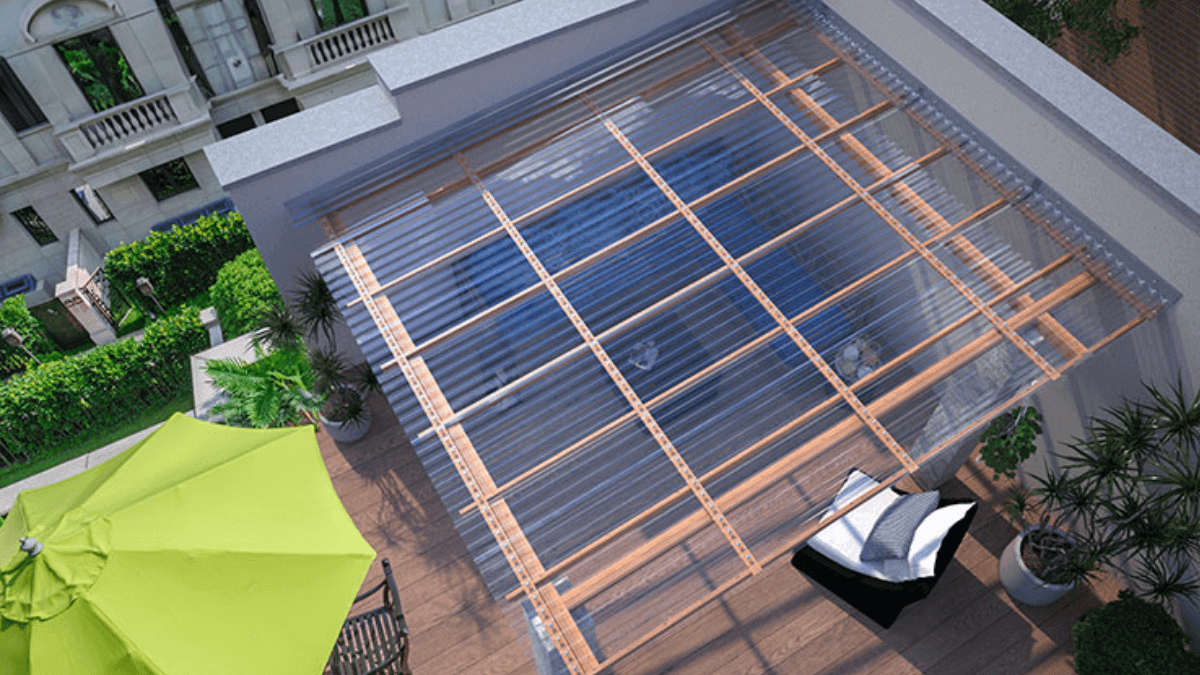
Choosing the right building material often comes down to price and appearance. But when it comes to Polycarbonate Sheet Melbourne, many buyers focus only on thickness and cost, overlooking critical details that affect durability, safety, and long-term performance. Whether the sheets are used for roofing, pergolas, greenhouses, carports, or industrial glazing, understanding what truly matters can prevent expensive mistakes.
Polycarbonate is popular for its strength, lightweight structure, and high impact resistance. However, not all sheets are equal. Climate conditions in Melbourne, installation methods, and sheet quality all play a significant role in how well the material performs over time.
Not All Polycarbonate Sheet Melbourne Products Are the Same
When purchasing Polycarbonate Sheet Melbourne, one common oversight is assuming all sheets offer identical quality. In reality, there are significant differences in manufacturing standards, UV protection, and structural design.
Buyers should consider:
- UV Coating Quality – Proper UV protection prevents yellowing and brittleness.
- Sheet Type – Solid, twin-wall, and multi-wall sheets serve different purposes.
- Impact Resistance Rating – Important for hail-prone areas.
- Fire Rating Compliance – Required for certain building regulations.
A cheaper sheet without strong UV protection may degrade quickly under Melbourne’s changing weather conditions.
Thickness Isn’t Everything
Many buyers equate thicker sheets with better performance. While thickness affects strength and insulation, it is not the only factor.
For example:
- Multi-wall sheets provide better insulation even at moderate thickness.
- Solid sheets offer clarity similar to glass but may require stronger framing.
- Incorrect thickness for structural spans can lead to sagging.
Matching the sheet to the project requirements is more important than simply choosing the thickest option available.
Installation Errors Can Shorten Lifespan
Even high-quality sheets can fail if installed incorrectly. Thermal expansion is one of the most overlooked issues. Polycarbonate expands and contracts with temperature changes.
Common installation mistakes include:
- Screwing sheets too tightly
- Ignoring expansion gaps
- Using incorrect fasteners
- Poor sealing at joints
Melbourne’s seasonal temperature shifts make expansion allowances essential. Without proper spacing, sheets can crack or warp.
UV Protection Is Critical in Melbourne’s Climate
Melbourne experiences strong sun exposure throughout much of the year. UV rays can break down materials over time. Not all sheets provide equal protection.
High-quality sheets typically feature:
- Co-extruded UV protective layers
- Long-term clarity retention
- Resistance to brittleness
When selecting Polycarbonate Sheet Melbourne, confirming UV certification ensures the material remains durable and visually appealing for years.
Insulation and Energy Efficiency Are Often Ignored
Polycarbonate is not just a roofing solution; it can affect temperature control within structures. Buyers frequently overlook thermal performance.
Multi-wall sheets provide:
- Improved insulation
- Reduced heat transfer
- Lower energy use in enclosed areas
For greenhouses or covered patios, insulation impacts comfort and plant growth conditions.
Compliance with Local Building Codes
Building regulations vary depending on structure type and location. Fire ratings, wind load capacity, and structural compliance must be considered.
Before installation, buyers should verify:
- Australian Standard compliance
- Bushfire rating requirements (if applicable)
- Wind load suitability
- Warranty coverage
Ignoring compliance can result in costly modifications later.
Long-Term Cost vs. Short-Term Savings
Lower-priced sheets may reduce upfront expenses, but premature replacement can increase total project costs. High-quality materials often last significantly longer.
Long-term value includes:
- Reduced maintenance
- Better weather resistance
- Stronger impact durability
- Extended warranty periods
In the middle of evaluating options for Polycarbonate Sheet Melbourne, focusing only on initial pricing can overshadow the total lifecycle cost.
Maintenance Is Often Underestimated
Polycarbonate sheets require basic but consistent maintenance. Dirt buildup can reduce light transmission, and harsh chemicals may damage surfaces.
Best practices include:
- Cleaning with mild soap and water
- Avoiding abrasive materials
- Inspecting fasteners periodically
- Checking seals and joints
Proper maintenance extends lifespan and preserves clarity.
Why These Overlooked Factors Matter
Polycarbonate is designed to be durable, but only when the correct product is chosen and installed properly. Melbourne’s weather, ranging from intense sun to heavy rain and occasional hail, demands materials that meet local conditions.
Overlooking details such as UV protection, expansion allowances, and insulation performance can lead to:
- Premature yellowing
- Cracks or warping
- Reduced energy efficiency
- Unexpected repair costs
Making informed decisions protects both investment and structural integrity.
Quick Checklist Before Buying
- Confirm UV protection certification
- Verify compliance with Australian standards
- Match the sheet type to the project purpose
- Ensure proper installation guidelines are followed
- Consider long-term durability over upfront savings
FAQs
1. How long do polycarbonate sheets last?
High-quality sheets with proper UV protection can last 10–20 years or more, depending on installation and maintenance.
2. Are polycarbonate sheets stronger than glass?
Yes, polycarbonate is significantly more impact-resistant than glass and less likely to shatter.
3. Can polycarbonate sheets handle Melbourne’s weather?
Yes, when UV-protected and correctly installed, they are suitable for varying weather conditions including sun, rain, and hail.
4. Do polycarbonate sheets provide insulation?
Multi-wall sheets offer good insulation compared to solid sheets or glass.
5. Is professional installation necessary?
While DIY installation is possible, professional installation reduces the risk of expansion issues and compliance errors.
Final Thoughts
Buying polycarbonate sheets involves more than comparing prices. Material quality, UV resistance, installation standards, and compliance all influence performance. Taking time to evaluate these often-overlooked factors ensures durability, safety, and long-term value for any residential or commercial project in Melbourne.
Introduction
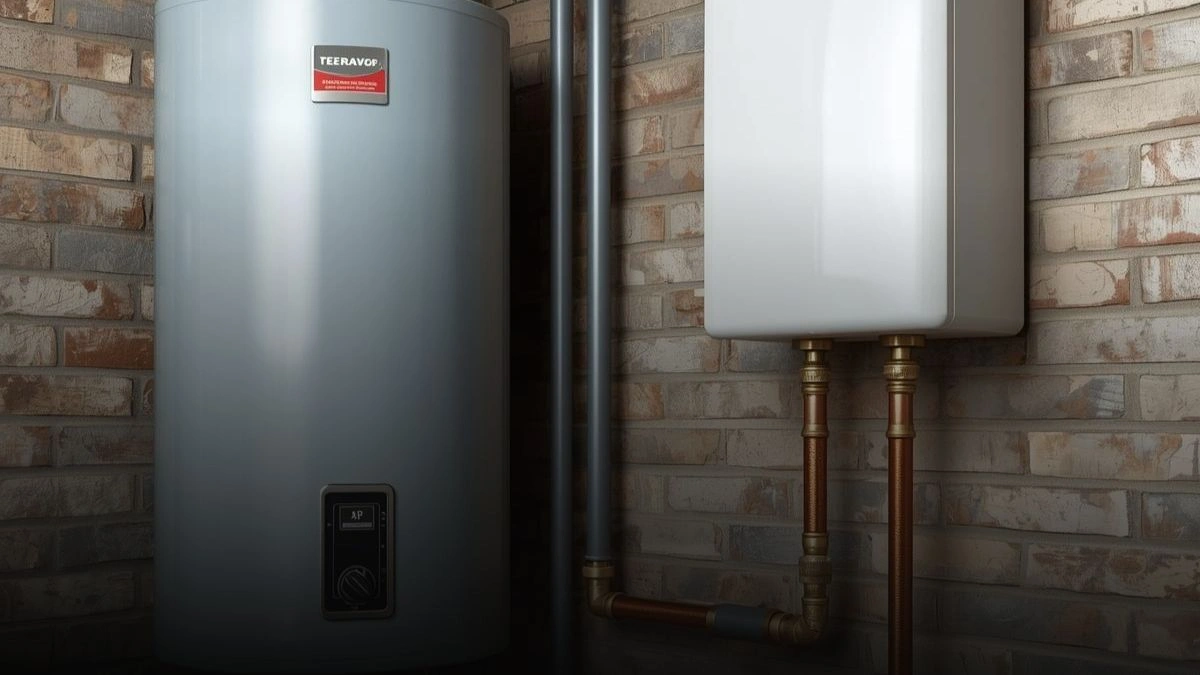
Hot water is something most Australian households rely on every day—showers, laundry, dishes, and cleaning all depend on it. But if your energy bills are creeping up, your Hot Water System could be one of the biggest contributors. The good news is that you don’t need to sacrifice comfort to save money. With a few practical changes and smarter choices, you can significantly cut your hot water costs while improving efficiency at home.
1. Choose an Energy-Efficient Hot Water System
Older systems often consume more energy than necessary. Upgrading to a modern, energy-efficient Hot Water System can lead to long-term savings on your power or gas bills. Options such as heat pump systems, solar hot water, and high-efficiency gas units are designed to use less energy while delivering consistent performance.
If your current unit is over 10 years old, it may be time to consider Hot Water System Installation & Replacement in Werribee to ensure your home is using the latest, cost-effective technology.
2. Lower Your Water Temperature
Many hot water systems are set higher than needed. Reducing the thermostat to around 60°C can lower energy usage without affecting everyday comfort. This simple adjustment can make a noticeable difference to your energy bill while still providing safe and reliable hot water.
3. Fix Leaks and Dripping Taps
A leaking hot tap wastes both water and energy. Even a slow drip can add up over time, forcing your system to heat water unnecessarily. Regularly check taps, valves, and pipes, and repair any leaks promptly to keep your system running efficiently.
4. Use Hot Water Wisely
Small changes in daily habits can lead to big savings:
- Take shorter showers
- Use cold water for laundry when possible
- Run dishwashers and washing machines only when full
By being mindful of how and when you use hot water, you reduce the workload on your system and lower overall energy consumption.
5. Insulate Pipes and the Storage Tank
Heat loss through uninsulated pipes and tanks can increase running costs. Proper insulation helps maintain water temperature, meaning your system doesn’t need to reheat water as often. This is especially beneficial in cooler months.
6. Schedule Regular Maintenance
Routine servicing keeps your system operating at peak efficiency. Sediment build-up, worn components, and minor faults can all reduce performance and increase energy use. Professional servicing also helps extend the lifespan of your unit.
For homeowners planning Hot Water System Installation & Replacement in Werribee, professional assessment ensures the right system size and type is selected for your household’s needs.
7. Consider Off-Peak Energy Options
If you’re on an electricity plan with off-peak rates, timing your water heating can help lower costs. Many modern systems allow scheduling, so water is heated when energy prices are cheaper.
Conclusion
Cutting your hot water bill doesn’t require major lifestyle changes. By upgrading to an efficient Hot Water System, maintaining it properly, and using hot water more wisely, you can enjoy reliable comfort while reducing energy costs. Smart choices today can lead to long-term savings and a more energy-efficient home.
There’s nothing worse than stepping into a cold shower on a freezing winter morning. During colder months, your Hot Water System works harder than usual, and this extra pressure often leads to unexpected failures. Understanding why hot water issues are more common in winter can help you act early and avoid costly emergencies.
Below are the most common reasons your Hot Water System may stop working when temperatures drop—and what you can do about it.
1. Increased Hot Water Demand
In winter, hot water usage increases significantly. Longer showers, frequent handwashing, and higher household demand place extra strain on your system. Older units or systems that haven’t been serviced regularly may struggle to keep up, resulting in inconsistent or no hot water.
Solution:
If your system runs out of hot water quickly, it may be undersized or nearing the end of its lifespan. A professional assessment can determine whether an upgrade or servicing is needed.
2. Cold Groundwater Temperature
During winter, the water entering your system is much colder than in summer. This means your heater must work harder and longer to reach the desired temperature. If the heating element or burner is already worn, it may fail completely under the extra load.
Solution:
Regular servicing ensures heating components are in good condition before winter begins.
3. Faulty Thermostat or Heating Element
Thermostats and heating elements are critical components of any Hot Water System. Cold weather can expose existing faults, causing the system to stop heating altogether or produce lukewarm water.
Solution:
A licensed technician can test and replace faulty parts before they cause a full system shutdown.
4. Sediment Build-Up in the Tank
Over time, mineral deposits collect at the bottom of storage tanks. In winter, this sediment hardens faster due to temperature differences, reducing heating efficiency and potentially damaging internal components.
Solution:
Annual flushing and maintenance help extend the life of your system and improve performance during colder months.
5. Gas Supply or Electrical Issues
For gas systems, cold weather can affect gas pressure or pilot lights. Electric systems may experience circuit or power issues during winter storms or increased household usage.
Solution:
If you notice unusual noises, no heating, or system shutdowns, it’s best to seek professional Hot Water System replacement and installation in Altona to ensure safe and reliable operation.
6. Ageing or Outdated Systems
Most hot water systems last between 8–12 years. If your unit is older, winter conditions often highlight its weaknesses, leading to frequent breakdowns.
Solution:
Upgrading to an energy-efficient model can reduce running costs and improve reliability. Expert Hot Water System replacement and installation in Altona services can help you choose the right system for your home.
Prevent Winter Hot Water Problems
To avoid waking up to cold water this winter, consider these simple tips:
- Schedule a professional service before winter starts
- Monitor water temperature changes
- Address minor issues early
- Upgrade ageing systems when needed
Final Thoughts
Winter puts your Hot Water System under significant stress, but most breakdowns are preventable with proper maintenance and timely repairs. Knowing the warning signs and acting early can save you money, time, and discomfort during the coldest months of the year.
If your system is struggling, professional servicing or replacement can restore comfort and peace of mind—right when you need it most.

Landing in Melbourne? Here’s How to Secure a Budget-Friendly Car Without the Hassle

Are You Receiving the Right Support to Achieve Your Daily Goals?

Is Your NDIS Website Designed for Participants or Just for Appearance?

Role of the NDIS Worker Orientation Module in Disability Support Compliance

How Demand for Occupational Therapists Is Rising Across Australia

Fix Gutter Leaks Before They Flood Your Yard
-
 Listing4 months ago
Role of the NDIS Worker Orientation Module in Disability Support Compliance
-
 Listing4 months ago
Fix Gutter Leaks Before They Flood Your Yard
-

 Listing4 months ago
Smart Toys to Train Your Dog Smarter
-

 Listing4 months ago
How Surveying Supports Safe and Compliant Infrastructure Development
-

 Listing4 months ago
How Long Does Car Finance Approval Take? Broker Breakdown
-

 Listing4 months ago
Car Cooling Systems Explained: Busted Myths and Essential Facts
-

 Listing4 months ago
The Science Behind Exercise Prescription: Why Personalised Movement Matters
-

 Listing4 months ago
Respite Options for Carers of Children with Special Needs