Melbourne
Old Galvanised Pipes in Your Werribee Home? 7 Warning Signs It’s Time to Repipe

If your home in older Werribee, (Not Harpley, Riverwalk, or Cornerstone) was built before the 1960s, there’s a strong chance it still has galvanised steel pipes running through its walls. While these zinc-coated pipes were the gold standard of plumbing for decades, they come with a hidden expiry date that many homeowners don’t realise until problems emerge.
Galvanised pipes were designed to resist corrosion, but that protective zinc coating doesn’t last forever. Once it deteriorates, you’re left with bare steel that rusts from the inside out—potentially contaminating your drinking water and causing a cascade of plumbing headaches.
Understanding Galvanised Pipe Deterioration
Galvanised steel pipes typically have a lifespan of 25 to 40 years, though this can vary based on water quality and usage patterns. The protective zinc layer gradually erodes through constant water exposure, leaving the underlying steel vulnerable to corrosion and rust buildup.
A 2016 Macquarie University study revealed concerning findings about Australian household water quality. The research showed that 56% of samples contained detectable lead concentrations, with 8% exceeding Australian Drinking Water Guidelines. While galvanised pipes themselves don’t contain lead, the zinc coating used in older galvanisation processes often contained trace amounts of lead and other metals.
This data prompted significant regulatory changes. The 2022 National Construction Code introduced new requirements limiting lead content in plumbing products to just 0.25%—a massive reduction from the previously allowed 4.5%. These standards came into full effect in May 2026, reflecting growing awareness of the health risks posed by ageing plumbing infrastructure.
Seven Warning Signs Your Werribee Home Needs Repiping
1. Discoloured or Rusty Water
One of the most obvious indicators is water that runs brown, yellow, or reddish—particularly first thing in the morning. This discolouration comes from rust particles flaking off the interior pipe walls and entering your water supply. While flushing your taps for a few minutes may temporarily clear the water, it won’t solve the underlying corrosion problem.
2. Dramatically Reduced Water Pressure
Notice your shower feeling more like a trickle than a proper spray? Corroded galvanised pipes develop mineral deposits and rust buildup that gradually narrow the internal diameter, restricting water flow throughout your home. If multiple fixtures show weak pressure, it’s likely a systemic pipe issue rather than isolated tap problems requiring simple tap repairs.
3. Frequent Leaks and Moisture Damage
As galvanised pipes corrode, they become brittle and prone to pinhole leaks and larger failures. If you’re calling for leak detection services more than once a year, or noticing water stains on ceilings and walls, your pipes may be approaching the end of their service life. Multiple leak repairs are often more costly than a complete repipe in the long run.
4. Metallic Taste or Strange Odours
Water with a distinct metallic taste or unusual smell often indicates advanced corrosion. The taste comes from dissolved iron and other metals leaching into your drinking water as the zinc coating fails and rust forms inside the pipes.
5. Visible Corrosion on Exposed Pipes
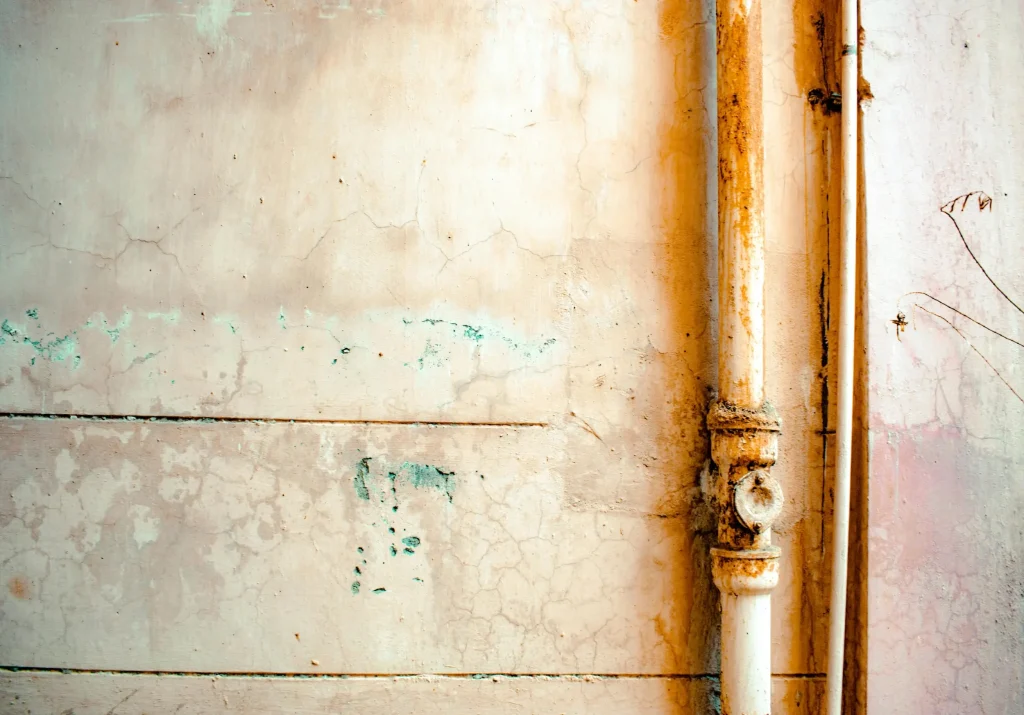
Check your basement, crawl spaces, or any exposed plumbing. Galvanised pipes show their age through flaking, rust-coloured staining, or a rough, scaly texture on the exterior. If the outside looks this bad, the interior is typically far worse. You can scratch the surface—galvanised steel appears dull grey underneath, unlike the orange-brown of copper.
6. Recurring Blocked Drains
While blocked drains in Werribee homes can have various causes, frequent blockages throughout your home may point to severe internal corrosion. Rust buildup and scale accumulation create rough surfaces where debris easily catches and accumulates, leading to persistent drainage issues.
7. Age-Related Concerns
Simply put, if your home was built before 1970 and hasn’t had plumbing upgrades, you’re living on borrowed time. Most Werribee properties from this era used galvanised steel exclusively. Even if you haven’t experienced obvious problems yet, the deterioration is happening behind your walls.

The Health and Safety Implications
Beyond inconvenience, failing galvanised pipes pose genuine health concerns. According to research by the Australian Government, households with galvanised pipes might experience elevated levels of lead and other metals in their water, posing a serious health risk. The corrosion process can also create environments where bacteria thrive, further compromising water quality.
Children, pregnant women, and those with compromised immune systems face the greatest risks from contaminated water. Even low-level lead exposure has been linked to developmental issues, learning difficulties, and long-term health problems.
Modern Repiping Solutions for Werribee Homes
Today’s plumbing technology offers superior alternatives to galvanised steel. Most professional plumbers recommend PEX (cross-linked polyethylene) or copper pipes for residential repiping projects. These materials resist corrosion, last 50+ years, and maintain water quality without leaching metals.
For homes with extensive damage, pipe relining offers a less invasive option for some situations, though complete replacement is often the most cost-effective long-term solution for ageing galvanised systems.
Professional emergency plumbing services can assess your specific situation and recommend the best approach based on your home’s layout, budget, and the extent of deterioration.
Why Werribee Properties Are Particularly Vulnerable
Older suburbs in Werribee feature many homes from the post-war building boom when galvanised steel was the standard. Melbourne’s water quality, while excellent at the treatment plant, can still contribute to pipe corrosion over decades—especially in areas with slightly acidic water chemistry.
Local soil conditions and ground movement can also stress ageing pipes, increasing the likelihood of burst pipe emergencies during winter when water expands and contracts within corroded sections.
Taking Action on Galvanised Pipes
If you’ve recognised any of these warning signs in your Werribee home, don’t wait for a catastrophic failure. Start with a professional plumbing inspection that includes:
- Visual assessment of accessible pipes
- Water quality testing for metal content
- Pressure testing to identify weak spots
- Camera inspection of hidden sections where possible
- Comprehensive quote for replacement options
Most reputable plumbers offer fixed-price quotes for repiping projects, making it easier to budget for this essential home improvement. Many homeowners also find that improved water pressure and quality, along with peace of mind about their family’s health, make the investment worthwhile.
Modern plumbing installations also integrate seamlessly with hot water system upgrades, allowing you to optimise your entire household water infrastructure in a single project.
Protect Your Investment and Your Family
Your home is likely your largest investment, and maintaining its plumbing infrastructure protects that value whilst safeguarding your family’s health. Whilst galvanised pipes served their purpose well for decades, their time has passed. Modern materials offer superior performance, longevity, and safety.
If you’re experiencing any combination of these seven warning signs, contact a licensed Werribee plumber for a thorough assessment. Early intervention prevents the disruption and expense of emergency repairs whilst ensuring your family has access to clean, safe water for years to come.
Blog FAQs
Q: How long do galvanised pipes typically last in Australian homes? A: Galvanised steel pipes generally last 25-40 years, though Melbourne’s water chemistry and usage patterns can affect this. Homes built before 1970 likely need assessment for replacement.
Q: Can I replace just sections of galvanised pipe or do I need a complete repipe? A: Whilst partial replacement is possible, mixing old galvanised pipes with new materials can cause galvanic corrosion at connection points. Complete repiping usually offers better long-term value.
Q: How much does it cost to repipe a Werribee home with galvanised pipes? A: Costs vary based on home size, accessibility, and materials chosen, typically ranging from $4,000-$15,000 for complete repiping. Licensed plumbers provide fixed-price quotes after inspection.