Business
Driving Growth and Efficiency in Modern Businesses

In today’s competitive landscape, businesses must continuously innovate and optimize operations to stay ahead. From small enterprises to large corporations, adopting effective strategies and leveraging the right resources can drive growth, improve efficiency, and enhance customer satisfaction.
Why Business Strategy Matters
A strong business strategy provides a roadmap for decision-making, resource allocation, and long-term success. Companies that invest in planning and continuous improvement are better positioned to:
- Respond to market changes
- Maximize operational efficiency
- Strengthen customer relationships
- Improve financial performance
- Foster employee engagement and innovation
Strategic planning is essential for aligning organizational goals with actionable steps that produce measurable results.
Key Factors for Business Success
Several critical elements contribute to thriving businesses:
- Technology Integration: Streamlining processes with digital tools and automation reduces costs and improves efficiency.
- Customer Focus: Understanding customer needs and delivering consistent value builds loyalty and drives revenue.
- Effective Leadership: Strong leadership fosters a clear vision, motivates teams, and encourages innovation.
- Financial Management: Tracking performance, managing costs, and investing wisely ensure sustainable growth.
- Agility and Adaptability: Businesses that can pivot quickly in response to market trends or challenges maintain a competitive edge.
Benefits of Strong Business Practices
Implementing smart business strategies and practices provides tangible benefits, including:
- Increased productivity and efficiency
- Reduced operational risks
- Improved customer satisfaction and retention
- Better decision-making through data-driven insights
- Sustainable growth and profitability
Planning for the Future
Modern businesses face constant change, from technological advancements to shifting market demands. Preparing for the future means embracing innovation, fostering a culture of continuous improvement, and staying adaptable.
Successful companies are those that combine strategic vision with practical execution, ensuring their business not only survives but thrives in an evolving landscape.


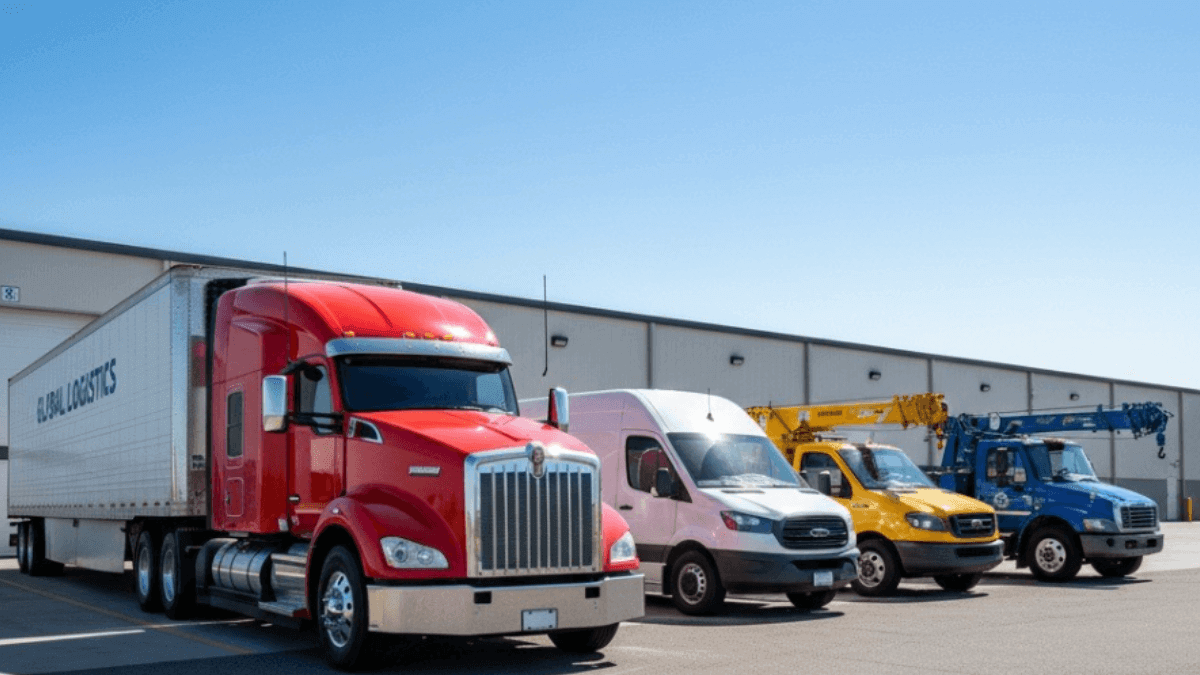
Purchasing a commercial truck is a major step for many transport operators, logistics companies, and independent drivers. A truck is more than just a vehicle; it is an income-generating asset that supports daily business operations. However, buying a truck outright can require a large financial investment. For this reason, many businesses explore Truck Finance Hobart options to make commercial vehicle ownership more accessible.
Modern truck financing allows businesses and owner-operators to acquire vehicles through structured payment plans rather than paying the full purchase price up front. From the initial application to final ownership, understanding how the process works can help buyers make informed decisions and avoid unnecessary financial stress.
How Truck Finance Works in Today’s Market
For businesses considering Truck Finance Hobart, the process usually begins with selecting the vehicle that suits operational needs and budget. Once the truck has been identified, financing allows the cost to be spread across manageable repayments over a set period.
Instead of tying up large amounts of capital in a single purchase, truck finance enables businesses to maintain cash flow while still investing in essential equipment.
Modern financing structures are designed to provide flexibility, allowing borrowers to choose repayment terms that match their financial capacity and business revenue cycles.
Key advantages of truck finance often include:
- Access to commercial vehicles without large upfront payments
- Predictable repayment schedules
- Improved cash flow management
- The ability to upgrade equipment when necessary
These benefits make financing an attractive option for both growing businesses and independent operators.
The Application Stage: Preparing for Truck Finance
The journey from application to ownership begins with submitting a finance request. Lenders typically evaluate several factors to determine whether an applicant qualifies for funding.
Financial stability plays an important role during this stage. Lenders may review documents that provide insight into the applicant’s ability to manage loan repayments.
Common requirements often include identification documents, proof of income, tax records, and financial statements for businesses. Some lenders may also request details about the truck being purchased.
Preparation can significantly speed up the application process. Applicants who organise their financial documents in advance often experience quicker approvals and smoother communication with lenders.
Choosing the Right Type of Finance Agreement
Truck financing is not a one-size-fits-all arrangement. Different types of finance agreements exist, each offering specific benefits depending on business goals and financial situations.
Some agreements allow businesses to own the vehicle once the loan term ends, while others operate more like leasing arrangements, where the vehicle is used for a specific period.
Choosing the right structure depends on factors such as cash flow, tax considerations, and long-term vehicle plans. For businesses planning to keep a truck for many years, ownership-based financing structures may offer better value.
Understanding the terms and repayment conditions is essential before signing any agreement.
Evaluating the True Cost of a Truck
Financing makes truck ownership more accessible, but the purchase price is only part of the financial equation. Operating costs must also be considered.
Commercial trucks require fuel, regular maintenance, insurance, and registration. In addition, businesses must account for driver wages and potential downtime caused by repairs or servicing.
In the middle of evaluating these financial commitments, many operators explore Truck Finance Hobart solutions to balance vehicle acquisition with operational expenses. Proper budgeting ensures that monthly repayments remain manageable while the truck continues generating income.
A realistic financial plan helps prevent unnecessary pressure on business finances.
Moving From Approval to Vehicle Ownership
Once a finance application is approved, the next stage involves finalising the agreement and completing the purchase of the vehicle. At this point, the lender typically pays the seller on behalf of the borrower, and the borrower begins making scheduled repayments.
Loan terms usually range from three to seven years, depending on the lender and the value of the truck.
Throughout the repayment period, the truck remains an active asset within the business. As long as repayments are maintained, the borrower continues progressing toward full ownership.
When the finance term ends, and all payments are completed, ownership is transferred entirely to the borrower in most financing arrangements.
Maintaining the Truck as a Business Asset
Once a truck becomes part of a fleet or independent operation, proper maintenance becomes essential. Reliable performance ensures the vehicle continues generating income and avoids costly downtime.
Regular servicing, tyre inspections, and engine checks help keep the vehicle running efficiently. Preventive maintenance also helps extend the lifespan of the truck and protect the financial investment.
Businesses that follow consistent servicing schedules often experience fewer breakdowns and improved fuel efficiency.
Why Planning Matters in Truck Financing
Truck financing works best when it aligns with a clear business strategy. Operators who carefully evaluate demand, delivery capacity, and operating costs are better positioned to benefit from financing arrangements.
Expanding a fleet or purchasing a new truck should always be based on realistic projections of workload and revenue.
Careful planning allows businesses to choose vehicles that match operational requirements while keeping repayment obligations manageable. This balanced approach supports long-term financial stability.
Conclusion
Modern truck financing has made it easier for transport businesses and independent drivers to access the vehicles they need to operate and grow. From the application stage to final ownership, each step in the financing process plays a role in ensuring a successful investment.
For businesses exploring Truck Finance Hobart, understanding loan structures, repayment terms, and operational costs can make the difference between a smart financial decision and unnecessary financial strain.
With careful planning, responsible budgeting, and consistent vehicle maintenance, truck financing can become a powerful tool that supports business growth and long-term success.
FAQs
1. What is truck finance?
Truck finance is a funding arrangement that allows individuals or businesses to purchase commercial vehicles through structured repayments over a set period.
2. Who can apply for truck finance?
Transport companies, small businesses, and independent owner-operators can typically apply for truck financing if they meet lender requirements.
3. How long do truck finance agreements usually last?
Most truck finance terms range from three to seven years, depending on the lender and the value of the vehicle.
4. What documents are needed to apply for truck finance?
Applicants may need identification, proof of income, tax records, and financial statements, depending on the lender’s requirements.
5. Can a truck be used while it is being financed?
Yes, the borrower can operate the truck during the loan term while making scheduled repayments toward full ownership.
If your home in older Werribee, (Not Harpley, Riverwalk, or Cornerstone) was built before the 1960s, there’s a strong chance it still has galvanised steel pipes running through its walls. While these zinc-coated pipes were the gold standard of plumbing for decades, they come with a hidden expiry date that many homeowners don’t realise until problems emerge.
Galvanised pipes were designed to resist corrosion, but that protective zinc coating doesn’t last forever. Once it deteriorates, you’re left with bare steel that rusts from the inside out—potentially contaminating your drinking water and causing a cascade of plumbing headaches.
Understanding Galvanised Pipe Deterioration
Galvanised steel pipes typically have a lifespan of 25 to 40 years, though this can vary based on water quality and usage patterns. The protective zinc layer gradually erodes through constant water exposure, leaving the underlying steel vulnerable to corrosion and rust buildup.
A 2016 Macquarie University study revealed concerning findings about Australian household water quality. The research showed that 56% of samples contained detectable lead concentrations, with 8% exceeding Australian Drinking Water Guidelines. While galvanised pipes themselves don’t contain lead, the zinc coating used in older galvanisation processes often contained trace amounts of lead and other metals.
This data prompted significant regulatory changes. The 2022 National Construction Code introduced new requirements limiting lead content in plumbing products to just 0.25%—a massive reduction from the previously allowed 4.5%. These standards came into full effect in May 2026, reflecting growing awareness of the health risks posed by ageing plumbing infrastructure.
Seven Warning Signs Your Werribee Home Needs Repiping
1. Discoloured or Rusty Water
One of the most obvious indicators is water that runs brown, yellow, or reddish—particularly first thing in the morning. This discolouration comes from rust particles flaking off the interior pipe walls and entering your water supply. While flushing your taps for a few minutes may temporarily clear the water, it won’t solve the underlying corrosion problem.
2. Dramatically Reduced Water Pressure
Notice your shower feeling more like a trickle than a proper spray? Corroded galvanised pipes develop mineral deposits and rust buildup that gradually narrow the internal diameter, restricting water flow throughout your home. If multiple fixtures show weak pressure, it’s likely a systemic pipe issue rather than isolated tap problems requiring simple tap repairs.
3. Frequent Leaks and Moisture Damage
As galvanised pipes corrode, they become brittle and prone to pinhole leaks and larger failures. If you’re calling for leak detection services more than once a year, or noticing water stains on ceilings and walls, your pipes may be approaching the end of their service life. Multiple leak repairs are often more costly than a complete repipe in the long run.
4. Metallic Taste or Strange Odours
Water with a distinct metallic taste or unusual smell often indicates advanced corrosion. The taste comes from dissolved iron and other metals leaching into your drinking water as the zinc coating fails and rust forms inside the pipes.
5. Visible Corrosion on Exposed Pipes
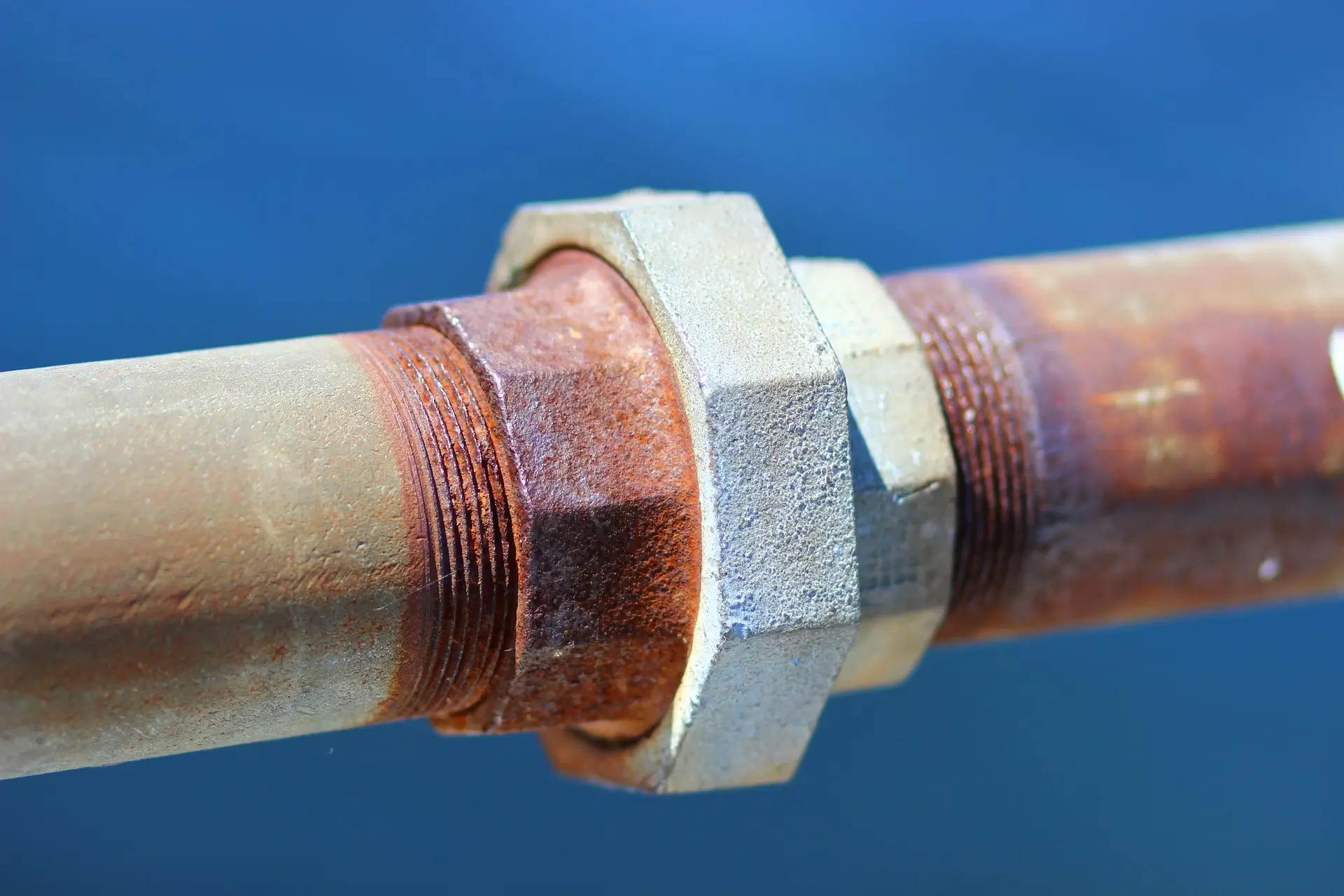
Check your basement, crawl spaces, or any exposed plumbing. Galvanised pipes show their age through flaking, rust-coloured staining, or a rough, scaly texture on the exterior. If the outside looks this bad, the interior is typically far worse. You can scratch the surface—galvanised steel appears dull grey underneath, unlike the orange-brown of copper.
6. Recurring Blocked Drains
While blocked drains in Werribee homes can have various causes, frequent blockages throughout your home may point to severe internal corrosion. Rust buildup and scale accumulation create rough surfaces where debris easily catches and accumulates, leading to persistent drainage issues.
7. Age-Related Concerns
Simply put, if your home was built before 1970 and hasn’t had plumbing upgrades, you’re living on borrowed time. Most Werribee properties from this era used galvanised steel exclusively. Even if you haven’t experienced obvious problems yet, the deterioration is happening behind your walls.

The Health and Safety Implications
Beyond inconvenience, failing galvanised pipes pose genuine health concerns. According to research by the Australian Government, households with galvanised pipes might experience elevated levels of lead and other metals in their water, posing a serious health risk. The corrosion process can also create environments where bacteria thrive, further compromising water quality.
Children, pregnant women, and those with compromised immune systems face the greatest risks from contaminated water. Even low-level lead exposure has been linked to developmental issues, learning difficulties, and long-term health problems.
Modern Repiping Solutions for Werribee Homes
Today’s plumbing technology offers superior alternatives to galvanised steel. Most professional plumbers recommend PEX (cross-linked polyethylene) or copper pipes for residential repiping projects. These materials resist corrosion, last 50+ years, and maintain water quality without leaching metals.
For homes with extensive damage, pipe relining offers a less invasive option for some situations, though complete replacement is often the most cost-effective long-term solution for ageing galvanised systems.
Professional emergency plumbing services can assess your specific situation and recommend the best approach based on your home’s layout, budget, and the extent of deterioration.
Why Werribee Properties Are Particularly Vulnerable
Older suburbs in Werribee feature many homes from the post-war building boom when galvanised steel was the standard. Melbourne’s water quality, while excellent at the treatment plant, can still contribute to pipe corrosion over decades—especially in areas with slightly acidic water chemistry.
Local soil conditions and ground movement can also stress ageing pipes, increasing the likelihood of burst pipe emergencies during winter when water expands and contracts within corroded sections.
Taking Action on Galvanised Pipes
If you’ve recognised any of these warning signs in your Werribee home, don’t wait for a catastrophic failure. Start with a professional plumbing inspection that includes:
- Visual assessment of accessible pipes
- Water quality testing for metal content
- Pressure testing to identify weak spots
- Camera inspection of hidden sections where possible
- Comprehensive quote for replacement options
Most reputable plumbers offer fixed-price quotes for repiping projects, making it easier to budget for this essential home improvement. Many homeowners also find that improved water pressure and quality, along with peace of mind about their family’s health, make the investment worthwhile.
Modern plumbing installations also integrate seamlessly with hot water system upgrades, allowing you to optimise your entire household water infrastructure in a single project.
Protect Your Investment and Your Family
Your home is likely your largest investment, and maintaining its plumbing infrastructure protects that value whilst safeguarding your family’s health. Whilst galvanised pipes served their purpose well for decades, their time has passed. Modern materials offer superior performance, longevity, and safety.
If you’re experiencing any combination of these seven warning signs, contact a licensed Werribee plumber for a thorough assessment. Early intervention prevents the disruption and expense of emergency repairs whilst ensuring your family has access to clean, safe water for years to come.
Blog FAQs
Q: How long do galvanised pipes typically last in Australian homes? A: Galvanised steel pipes generally last 25-40 years, though Melbourne’s water chemistry and usage patterns can affect this. Homes built before 1970 likely need assessment for replacement.
Q: Can I replace just sections of galvanised pipe or do I need a complete repipe? A: Whilst partial replacement is possible, mixing old galvanised pipes with new materials can cause galvanic corrosion at connection points. Complete repiping usually offers better long-term value.
Q: How much does it cost to repipe a Werribee home with galvanised pipes? A: Costs vary based on home size, accessibility, and materials chosen, typically ranging from $4,000-$15,000 for complete repiping. Licensed plumbers provide fixed-price quotes after inspection.

Driving Growth and Efficiency in Modern Businesses

How Emerging Technology is Transforming Modern Businesses

Embracing Sustainable Food Practices for a Healthier Future

Role of the NDIS Worker Orientation Module in Disability Support Compliance

How Demand for Occupational Therapists Is Rising Across Australia

Fix Gutter Leaks Before They Flood Your Yard
-
 Listing4 months ago
Role of the NDIS Worker Orientation Module in Disability Support Compliance
-
 Listing4 months ago
How Demand for Occupational Therapists Is Rising Across Australia
-
 Listing5 months ago
Fix Gutter Leaks Before They Flood Your Yard
-

 Listing4 months ago
How Surveying Supports Safe and Compliant Infrastructure Development
-

 Listing5 months ago
Smart Toys to Train Your Dog Smarter
-

 Listing4 months ago
How Long Does Car Finance Approval Take? Broker Breakdown
-

 Listing5 months ago
Car Cooling Systems Explained: Busted Myths and Essential Facts
-

 Listing4 months ago
The Science Behind Exercise Prescription: Why Personalised Movement Matters